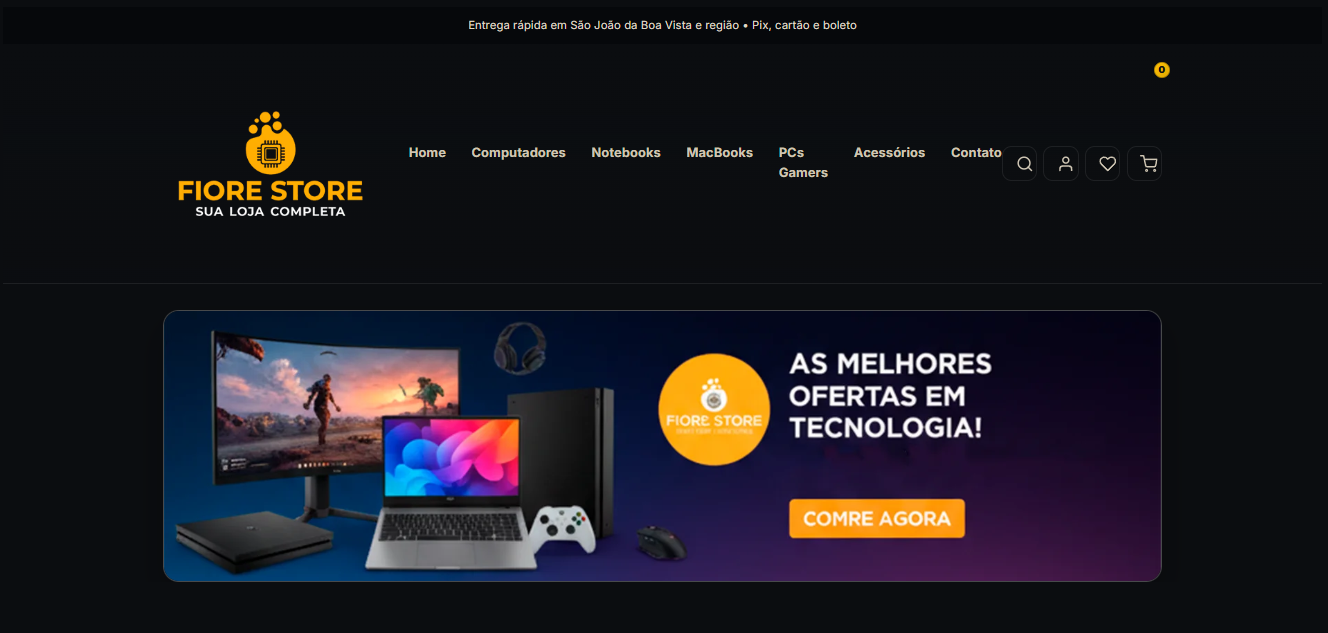
An understandable catalog
Categories, filters, variants, and information structured around the product type.
 CAREKA DIGITALVisual Engineering
Map my digital infrastructure ↗
CAREKA DIGITALVisual Engineering
Map my digital infrastructure ↗
E-commerce · catalog, brand, and shopping journey
The project connects catalog, navigation, content, identity, payment, and operations. The store should make customer choice easier without hiding the conditions the business can actually fulfill.

An online store is part of a commercial operation. Before visual design, products, variants, inventory, payment, delivery, returns, support, and ownership of updates need to be clear.
Careka Digital organizes discovery and purchase while keeping the brand recognizable and essential paths accessible on mobile. Platform and integrations are chosen for context, not fashion.
The project does not assume unlimited product entry, photography, ERP, or logistics. Every dependency enters the scope with defined limits and ownership to avoid a beautiful store that cannot operate.
Scope defined through assessment · no fabricated ranking or outcome promisesCategories, filters, variants, and information structured around the product type.
Identity, available photography, and content applied without harming usability.
Payment, delivery, returns, contact, and integrations defined before launch.
Assessment of catalog, operations, audience, and shopping journey.
Architecture for categories, product, cart, and necessary institutional pages.
Responsive visual direction and components compatible with the selected platform.
Payment, delivery, and integrations included in the agreed scope.
A specified initial product-entry limit; additional volume quoted separately.
Catalog technical SEO, purchase tests, and store-maintenance guidance.
We map products, variants, inventory, payment, delivery, returns, and service.
We define categories, filters, product data, and content needed for choice.
We build the store and connect the contracted resources.
We validate navigation, cart, payment, messages, and orders before opening.
The choice considers catalog, operations, budget, integrations, and desired autonomy. Platform selection follows the assessment.
A limited initial volume can be included. Bulk entry, extensive image treatment, and product-description production are estimated according to volume and source quality.
Yes, when providers and rules are defined in scope. Platform fees, contracts, and approvals remain the client’s responsibility.
It is technically tested, but selling also depends on product, price, inventory, logistics, service, traffic acquisition, and ongoing management.
The assessment organizes priorities, scope, and dependencies. You understand what should be corrected first and what can wait.